
THERE ARE some new CSAs in town, but the only veggies or fruits that participants are likely to find in their shares will be still lifes or sculpture.
“CSA” usually refers to community supported agriculture, in which you pay a fee to receive shares of a farm’s seasonal produce. The fees help support the farm, while shareholders get fresh goods at good prices.
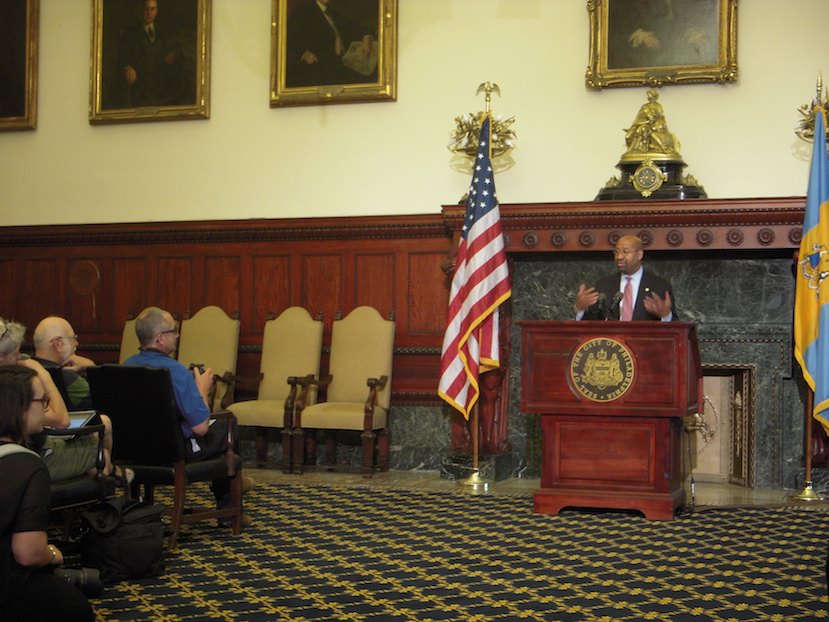
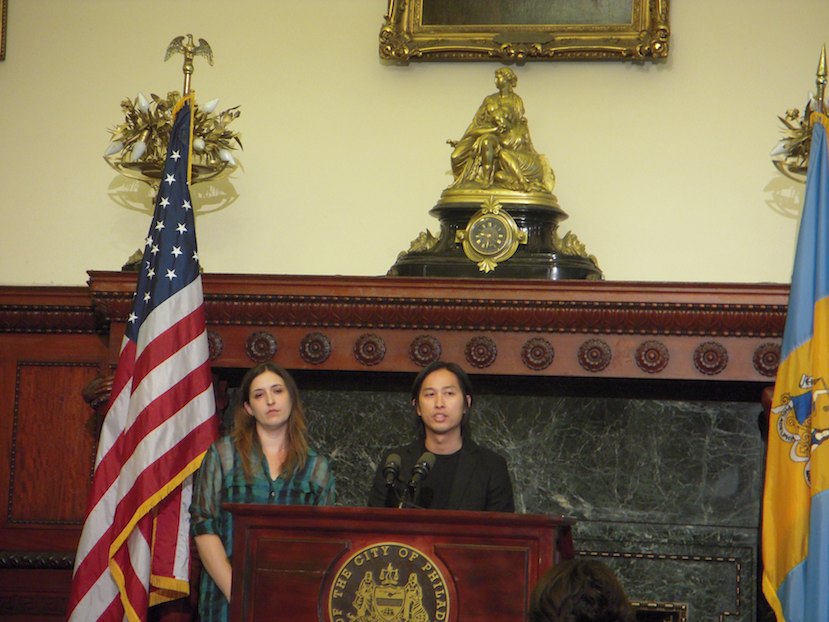
Now that model is taking root in the art world, but it’s called “community supported art” instead. Two Philadelphia programs launched last month: the Philadelphia Folklore Project CSA and a joint CSA by alternative galleries Tiger Strikes Asteroid and Grizzly Grizzly. The city selected these CSAs after an open call from the Knight Foundation, which provided $2,500 per CSA plus advisers to assist in the setup.
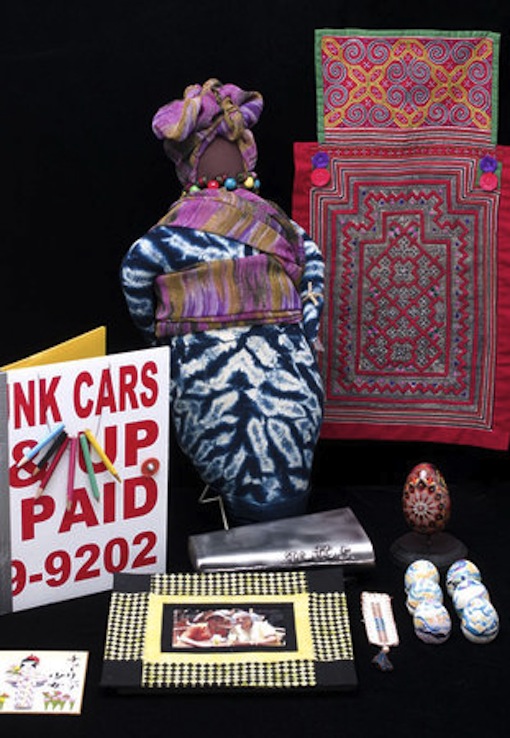
The Folklore Project CSA selected nine artists working in traditional and folk media for its CSA, which will offer 50 shares for $350 each. Each share contains fiber art, a metal cow bell, painted eggs, a doll, needlepoint bookmark, appliquéd baby carrier and origami. Each artist will produce a limited edition of 50 objects and, if all shares sell, will get 70 percent (roughly $1,360). The remaining 30 percent will cover program expenses, program associate Selina Morales said.
The GG/TSA partnership CSA also selected nine artists for its curated box of art. Items include jewelry, prints, works on paper, a vinyl record of sound art and a metal sculpture. Fifty shares are available for $450 each, and if shares sell out, each artist will receive $1,750 plus a CSA share of art. The CSA would get 30 percent of what’s earned from the sale of shares.
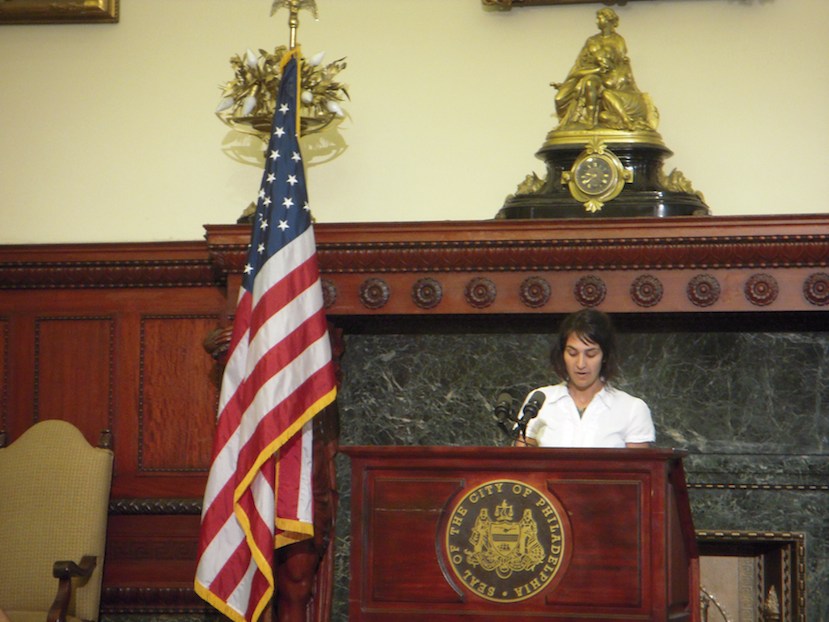
The project’s goal of creating new collectors is already working, as both CSAs are selling shares. While art-world insiders are among the buyers (the Knight Foundation and the city of Philadelphia), “predominantly it’s people we don’t know,” said Mary Smull of the GG/TSA group. Morales said the Folklore Project is offering payment plans, too, since “$350 is a significant amount.”
Both groups are committed to a second round, and the Folklore Project will start looking for its next group of artists in October.
As for whether the CSA approach will have a long-term impact on the local art scene, Gary Steuer, the mayor’s head of arts policy, said he wasn’t sure. “It’s an experiment. You’ve got to start somewhere,” he said.
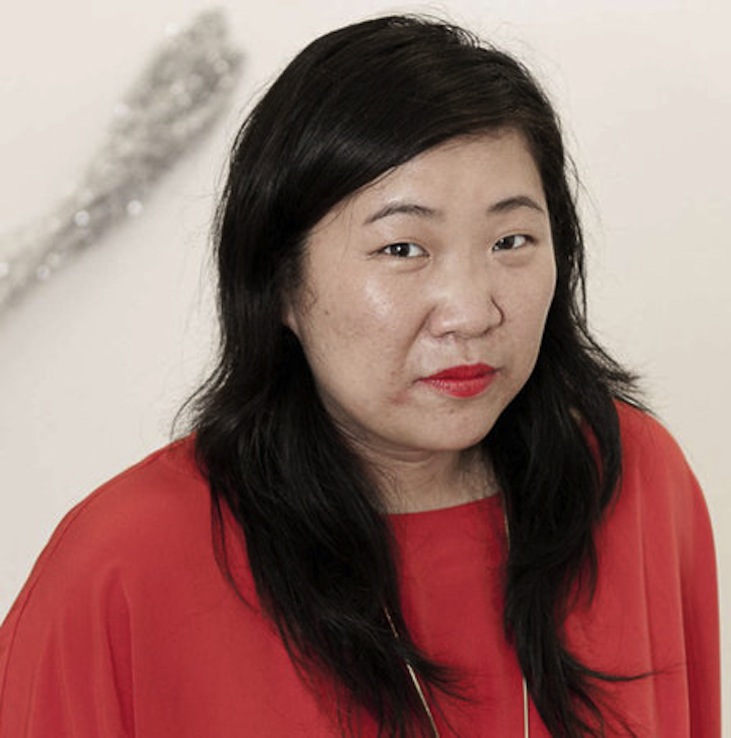
Longtime Philadelphia art observer Sid Sachs, who teaches art history at University of the Arts and runs the school’s Rosenwald-Wolf Gallery, was skeptical.
“For the artists, it’s not helping their careers. For the art-minded people who buy shares, they spend $450 and get tchotchkes. You don’t build collectors like that,” he said. “Getting them interested in art . . . that’s what you need.”
The traditional philanthropic approach of donating directly to artists or institutions does real good, Sachs said. He pointed to the Pew Fellowships in the Arts, which annually award $60,000 grants to as many as 12 artists in the five-county Philadelphia region. “When Pew gives money, the person can take off for a year. That affects someone, and it helps,” he said.
NOTE: This article initially included an error in the amount of money the artists of the Tiger/Grizzly CSA would receive. The article has been corrected to reflect the correct amount. Sorry for the error.
This article appeared Aug. 29 in the Philadelphia Daily News, as part of Art Attack, a partnership with Drexel University supported by the Knight/NEA Community Arts Journalism Challenge and administered by the Greater Philadelphia Cultural Alliance.