
The pairing of photographic works by Toshio Shibata and Andrea Modica at Gallery 339 is inspired. From the sublime breadth of Shibata’s unpeopled highway landscapes to Modica’s specific, humanistic portraits of farm-league baseball players, the two excellent stand-alone exhibits reach across the gallery spaces in conversation with each other.
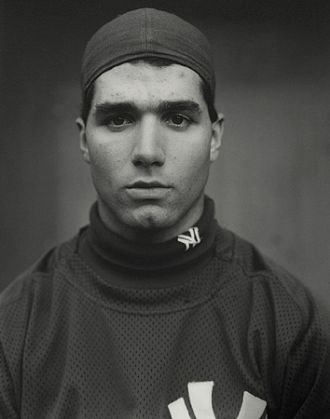
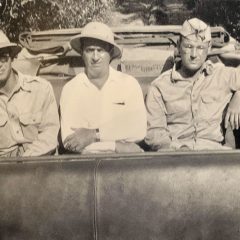
In Andrea Modica: Minor League, Modica’s 18 farm team portraits are breathtaking in the physicality and vulnerability of young men, many still showing traces of boy. The photographs, contact prints of an 8×10 camera, are more than portraits. They are testimony of a subculture of athletics, competition, fierceness, and the desire to succeed.
Some of these guys broke my heart. They are men-in-waiting, yearning to get in the game. The farm teams are trials they must get beyond, opportunities that likely will not play out for most of them. But it’s here that they learn the rules of the game. Not the game of baseball, but the game of baseball society, in which the ways to express emotion are ritualized and vetted for their macho qualities.
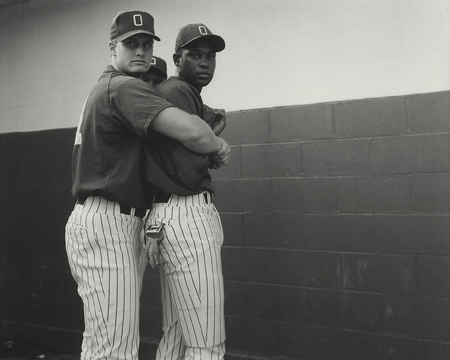
So the more intimate images of young men embracing are shocking expressions of tenderness not allowed in the majors. What the big leagues allow are celebratory piles of bodies, rump bumps, shoulder pushes, and sideways grins.
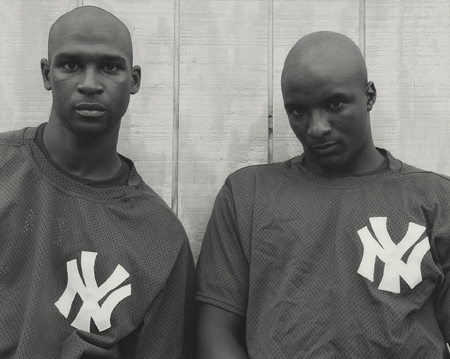
There’s a funny thing that happens to men in uniform. The uniforms may turn them into a team on the field, but up close the uniforms increased my awareness of the individuality of each body, each face, each expression.
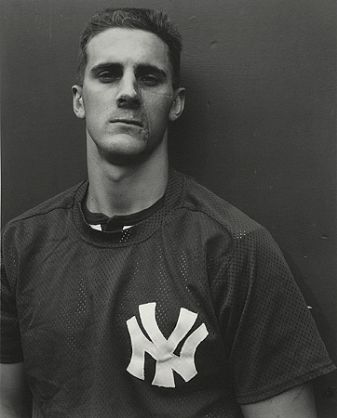
Some of the men are scarred. One has a swollen eye. In contrast to their scarred freshness is a portrait of LA Dodger Darryl Strawberry in 1993–the most recent of the photos and the only one taken of a major leaguer–the 19th photo in the show. He looks well-worn, with streaks of sweat and an indentation line above his brow, perhaps from all these years of wearing a baseball cap. The innocence is gone and the weight of high hopes has been replaced by the weight of responsibility.
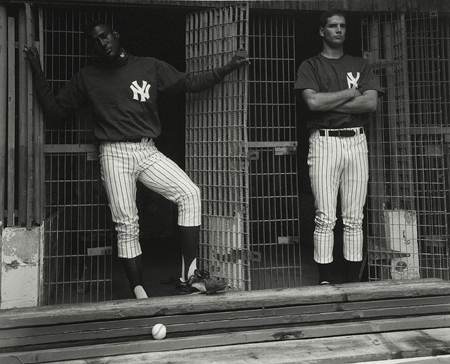
A photo of two men in batting cages and one young man peering out from his catcher’s mask are reminders of how entrapped everyone becomes by the paths they have chosen in life.
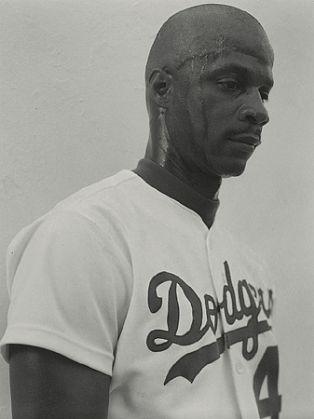
The quality of detail in these photos, the sense of skin and light, is marvelous. They are 8×10 platinum/palladium contact prints, and other than the Strawberry, they were all taken in 1991 and 1992.
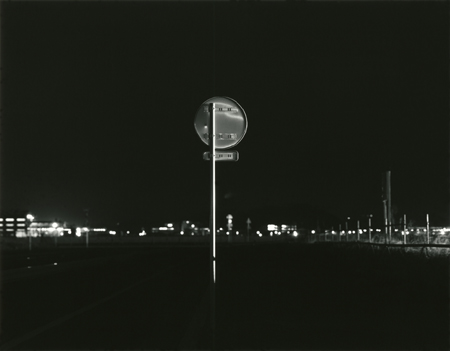
In Toshio Shibata’s exhibit Expressway the human form is invisible but implied. We are looking at the works of man and the light tracks left in the wake of the cars in which he travels. These 11 works are nightscapes of highways, rest stops, and toll areas, most of them in Japan, but really places without countries. They are everywhere and nowhere at once, detached from the daily experiences of chores, responsibilities and relationships.
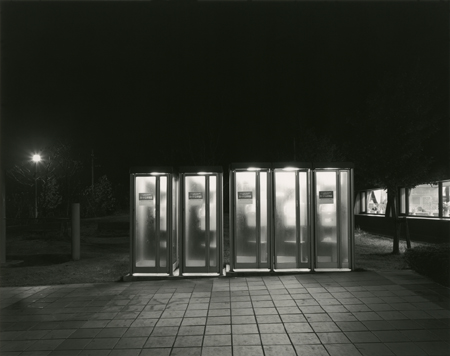
In these nightscapes (4×5-inch camera, gelative silver prints), the darkness gets absorbed into the photo paper, leaving luminous tracks and spots of glowing light. The backs of industrially shaped circles reflecting light, the lit arcades of toll areas, the isolated lit interiors of phone booths, the archway of a tunnel illuminated by headlights create Hopperesque noir moods of loneliness and detachment. But unlike in Hopper, these lit-up points suggest a spiritual destination that beckons and promises.
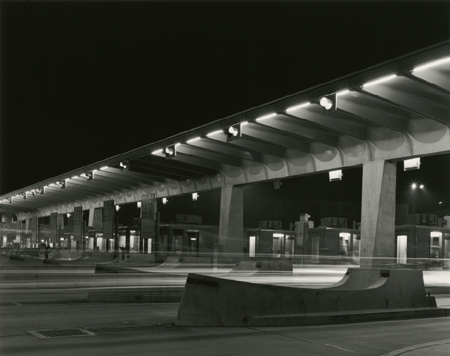
These rarely exhibited photographs all date to the mid 1980s, but they seem fresh. The song of the open road is captured warts and all, a Lolitaland that mixes purpose, promise and failure all at once.
The exhibit will be up through June 12.