Subscribe Today!
Features
Reviews
News
Community
About
Advertise
Donate
Contact
Features
Reviews
News
Community
About
Advertise
Donate
Contact
Reviews
‘Temporary Monuments, Art, Land, and America’s Racial Enterprise’ raises issues about permanence
By Ruth Wolf
April 24, 2024
Artblog Radio
Midweek News on Artblog Radio, with Opportunities and Ear Cleaning Tales!
Taji Ra’oof Nahl, Val Gay, Tuft the World and more, It’s Artblog’s Midweek News Podcast!
Artist and educator, rod jones ii talks of identity and family histories
Open Kitchen Sculpture Garden, Sculpture House, teaching, bartering, community, Pedro Ospina makes it happen
GoggleWorks Summer Artists in Residence, on loving their shared studio space and other thoughts
On piñata art, Family Fiestas, ‘Latinos Who Lunch’ and Taco Bell, Justin Favela explains
Meet Zoë Rayn Evans, the new Executive Director of University City Arts League
Talking to Anne Ishii, arts leader and new host of the WHYY-PBS show, ‘Movers and Makers’
News
The Arts League says farewell to Zoë Rayn Evans, hosts second artist convening, Ulises and Ray Philly, shows closing soon and Opportunities!
By Roberta
April 24, 2024
sponsored
Features
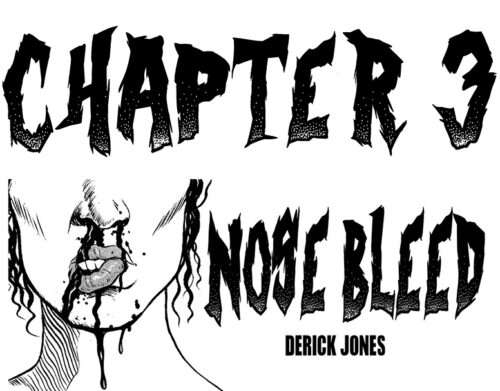
Nosebleed Season 2 Chapter 3
By Derick Jones
April 20, 2024
Community
Midweek News on Artblog Radio, with Opportunities and Ear Cleaning Tales!
By Roberta
April 23, 2024
Sponsored Post
Art that can be construed as supporting LGBTQ+ rights at museumpeace.com
By Stephen Lauf
April 19, 2024
sponsored
Reviews
Spring is Coming, in Dona Nelson’s ‘Selected Paintings, 2019-2023’ at Locks Gallery
By Lane Timothy Speidel
April 22, 2024
Reviews
Joseph Lazaro Rodriguez, Erik Ruin, Sean Starowitz, art about existential dilemmas, Wind Challenge 2
By Miles Orvell
April 18, 2024
Community
Taji Ra’oof Nahl, Val Gay, Tuft the World and more, It’s Artblog’s Midweek News Podcast!
By Ryan deRoche
April 17, 2024
sponsored
News
Taji Ra’oof Nahl, Val Gay, Tuft the World, Philadelphia Consortium Print Fair, ‘The Cut’
By Roberta
April 17, 2024
News
‘Futures without Guns’ at University City Science Center, Betsy Casañas at Taller Puertorriqueño, plus Penn State Bobbleheads, the earthquake and Opportunity
By Roberta
April 10, 2024
Since 2003, An ongoing conversation about art and community in Philadelphia and the world
Navigate the Scene
Comics
sponsored
Artblog Archives
Support
Subscribe
sponsored
sponsored
sponsored
Support
Subscribe
Navigate the Scene
 Subscribe Today!